
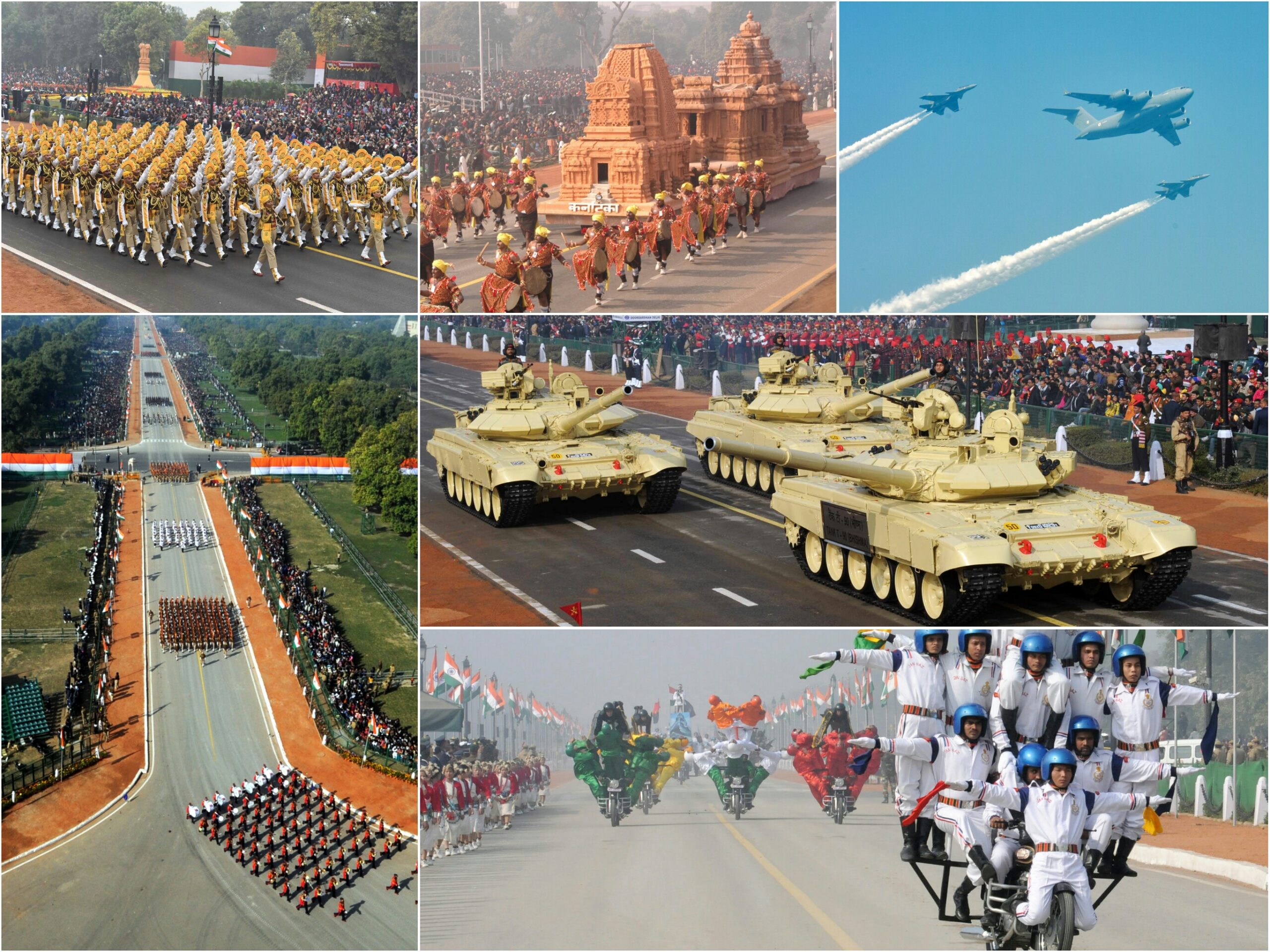
Republic Day is one of the most important national festivals of India. Celebrated every year on 26 January, it marks the day when the Constitution of India came into effect in 1950, transforming India into a sovereign, democratic republic. More than a public holiday, Republic Day is a reminder of India’s values, diversity, and commitment to democracy.
This article explores the history, meaning, celebrations, and modern relevance of Republic Day, written with high editorial standards, originality, and depth—suitable for a long-term, quality website and future Google AdSense approval.
The Historical Background of Republic Day
India gained independence from British rule on 15 August 1947, but independence alone was not enough to govern a vast and diverse nation. At that time, India was still following the Government of India Act, 1935, a law created by the British.
To establish a system based on justice, equality, and freedom, India needed its own constitution.
Why 26 January Was Chosen
- On 26 January 1930, the Indian National Congress declared Purna Swaraj (Complete Independence).
- To honor this historic declaration, the same date was chosen to implement the Constitution in 1950.
From that day onward, India officially became a Republic, where the power lies with the people and their elected representatives.
The Indian Constitution: Foundation of the Republic
The Constitution of India is the longest written constitution in the world. It was drafted by the Constituent Assembly under the leadership of Dr. B. R. Ambedkar, the chairman of the Drafting Committee.
Key Features of the Constitution
- Fundamental Rights: Protect individual freedoms such as equality, speech, and religion
- Directive Principles of State Policy: Guidelines for building a welfare state
- Federal Structure: Balance of power between the center and states
- Secularism: Equal respect for all religions
- Democratic Governance: Government elected by the people
Republic Day celebrates not just the Constitution as a document, but the ideals it represents.
Republic Day Celebrations in India
The Grand Republic Day Parade
The main celebration takes place in New Delhi, where a grand parade is held along Kartavya Path (formerly Rajpath).
The parade includes:
- Marching contingents of the Indian Army, Navy, and Air Force
- Colorful tableaux from different Indian states
- Cultural performances showcasing India’s diversity
- A thrilling air show by the Indian Air Force
Each year, a chief guest from a foreign nation is invited, highlighting India’s global diplomatic relations.
Awards and National Honors
Republic Day is also an occasion to honor citizens who have made exceptional contributions to the nation.
Major Awards Announced
- Padma Awards (Padma Vibhushan, Padma Bhushan, Padma Shri)
- Gallantry Awards such as Param Vir Chakra, Ashok Chakra
- Bravery Awards for children who show exceptional courage
These recognitions inspire millions and reinforce the values of service and sacrifice.
Republic Day in Schools and Communities
Across India, Republic Day is celebrated at every level of society.
Common Activities
- Flag hoisting ceremonies
- Patriotic songs and dances
- Speeches on freedom, rights, and duties
- Essay writing and cultural competitions
These events help young citizens understand the meaning of democracy and their role in nation-building.
The Difference Between Independence Day and Republic Day
Many people confuse Independence Day with Republic Day, but both have distinct meanings.
| Independence Day | Republic Day |
|---|---|
| Celebrated on 15 August | Celebrated on 26 January |
| Marks freedom from British rule | Marks adoption of the Constitution |
| Focus on freedom struggle | Focus on democratic governance |
Together, these two days represent India’s journey from colonization to self-rule.
Why Republic Day Is Still Relevant Today
In the modern era, Republic Day holds deep significance beyond tradition.
A Reminder of Civic Responsibility
Republic Day reminds citizens that:
- Rights come with duties
- Democracy survives only through active participation
- Equality and justice must be protected daily, not just celebrated annually
Strengthening National Unity
In a country with multiple languages, religions, and cultures, Republic Day reinforces the idea of unity in diversity.
Republic Day and India’s Global Image
The Republic Day parade is watched worldwide and reflects:
- India’s cultural richness
- Military strength
- Technological progress
- Commitment to peace and diplomacy
It positions India as a confident and responsible nation on the global stage.
How Republic Day Inspires the Youth
For the younger generation, Republic Day is a call to:
- Respect the Constitution
- Uphold ethical values
- Contribute positively to society
In an age of rapid digital growth and global influence, understanding constitutional values is more important than ever.
Conclusion
Republic Day is not just a celebration—it is a reflection of India’s democratic soul. It honors the vision of leaders who dreamed of a free, fair, and inclusive nation. As India continues to evolve, Republic Day serves as a powerful reminder that the strength of the nation lies in its Constitution and its people.
By remembering the past, celebrating the present, and committing to a better future, Republic Day continues to unite India under the principles of justice, liberty, equality, and fraternity.
Frequently Asked Questions (FAQs) About Republic Day of India
1. What is Republic Day and why is it celebrated in India?
Republic Day is celebrated on 26 January every year to mark the day when the Constitution of India came into effect in 1950. It signifies India’s transition from a British-dominated nation to a sovereign, democratic republic, where laws are made by elected representatives of the people.
2. Why was 26 January chosen as Republic Day?
The date 26 January was chosen to honor the declaration of Purna Swaraj (Complete Independence) made by Indian leaders in 1930. By adopting the Constitution on this date in 1950, India paid tribute to its long struggle for self-rule.
3. What is the importance of the Indian Constitution on Republic Day?
The Indian Constitution lays down the framework of governance, protects fundamental rights, and defines duties of citizens. Republic Day celebrates these principles and reminds citizens of the values of justice, liberty, equality, and fraternity.
4. How is Republic Day celebrated in India?
Republic Day is celebrated with:
- A grand parade in New Delhi
- Cultural performances by different states
- Military displays by the armed forces
- Flag hoisting and patriotic programs in schools and offices
These celebrations reflect India’s unity, diversity, and strength.
5. Who is the chief guest on Republic Day and why is it important?
Every year, India invites a foreign dignitary as the chief guest for Republic Day. This tradition symbolizes India’s strong diplomatic relations and global cooperation with other nations.
6. What awards are announced on Republic Day?
On Republic Day, the Government of India announces:
- Padma Awards for civilian excellence
- Gallantry Awards for bravery
- Bravery Awards for children
These awards recognize individuals who have made outstanding contributions to society and the nation.
7. What is the difference between Republic Day and Independence Day?
Independence Day (15 August) marks India’s freedom from British rule, while Republic Day (26 January) marks the implementation of the Constitution. Independence Day represents freedom, whereas Republic Day represents self-governance and democracy.
8. Why is Republic Day important for students and youth?
Republic Day helps students understand:
- The value of democracy
- The importance of constitutional rights and duties
- Their role as responsible citizens
It encourages young people to contribute positively to India’s future.
9. Is Republic Day a public holiday in India?
Yes, Republic Day is a national public holiday across India. Government offices, schools, and many private institutions remain closed, and special events are organized nationwide.
BMC Election 2026 Result: Congress Focused On Development Over Divisive Agenda In BMC Polls